


-

Add: HeBei ShengShi HongBang Cellulose Technology CO.,LTD.
-

Email
13180486930@163.com -

CONTACT US
+86 13180486930
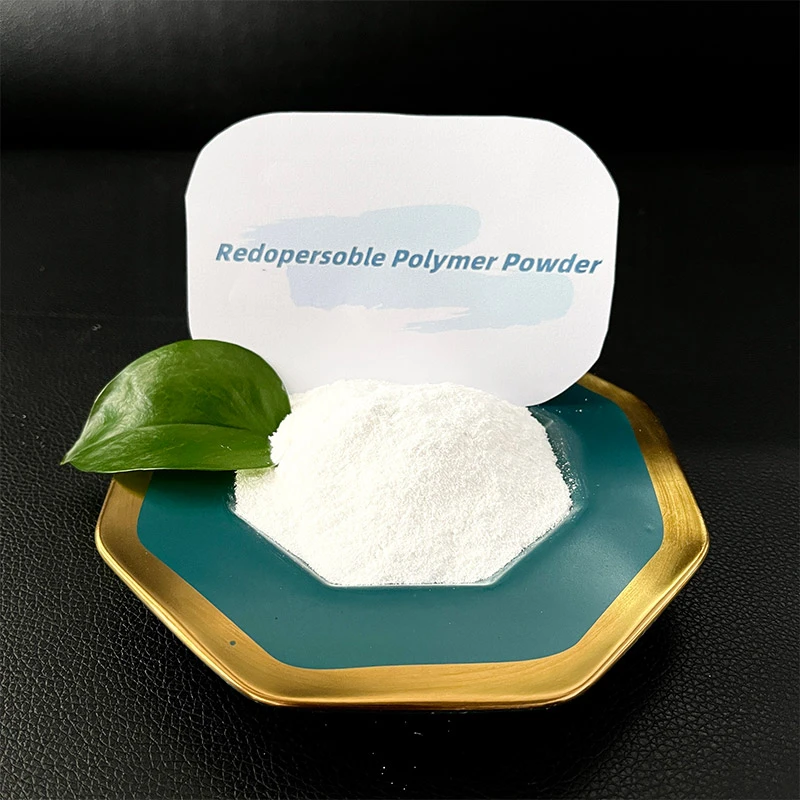
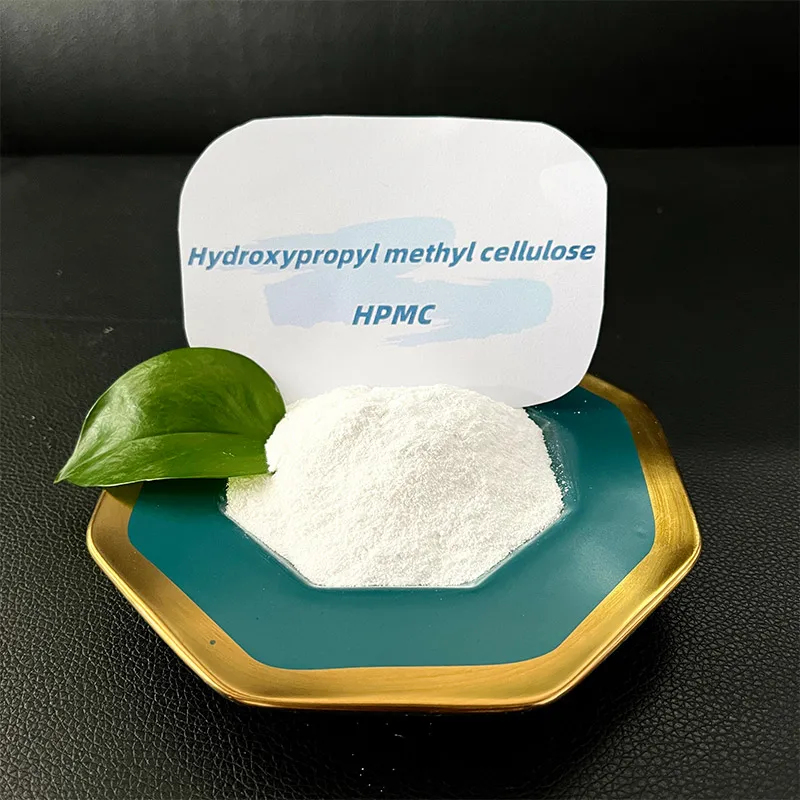
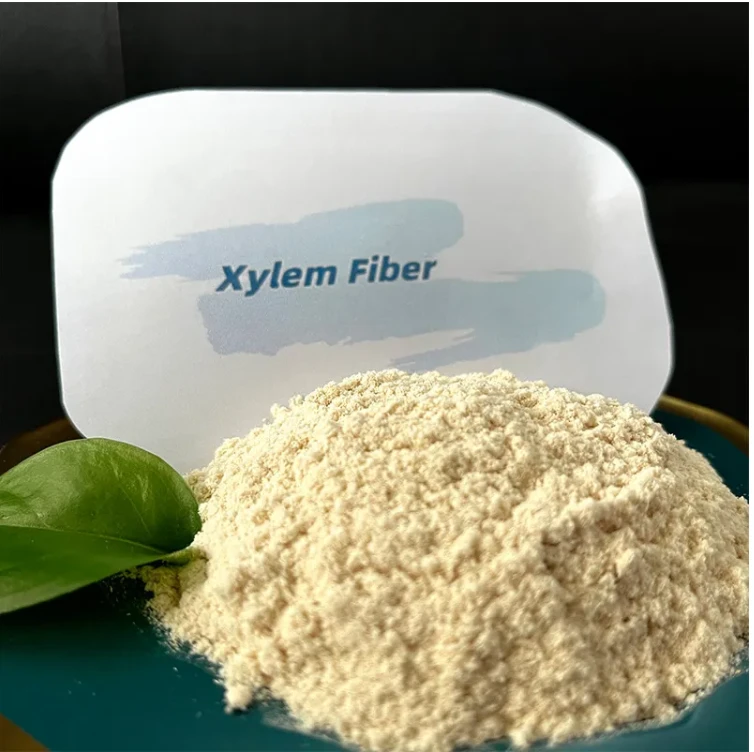
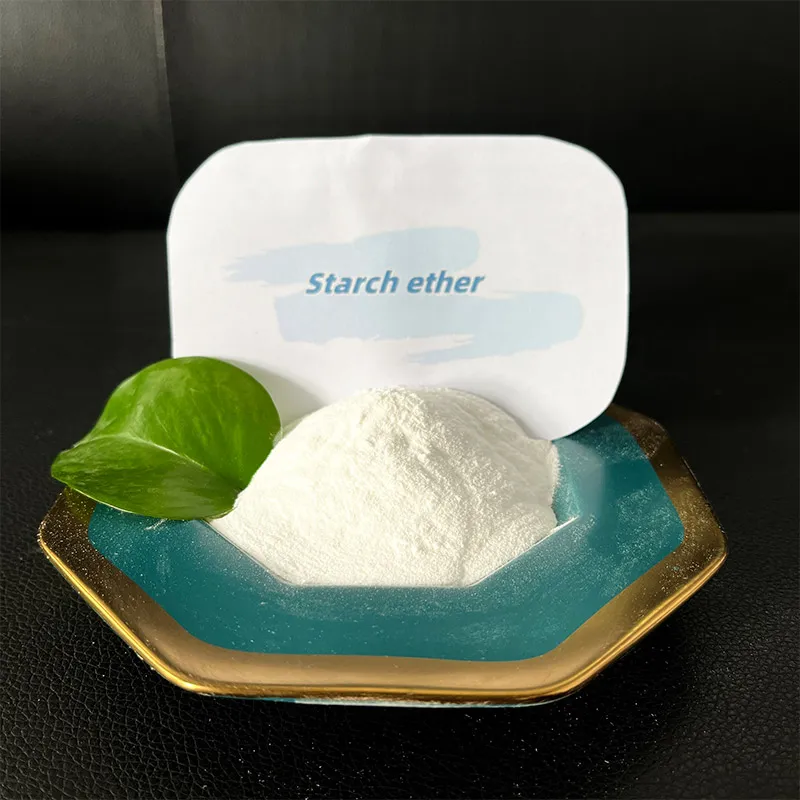


Hydroxypropyl Methylcellulose (HPMC) E5 is a versatile and essential ingredient in various industries, prized for its unique properties that enhance product formulation. As a low viscosity grade of HPMC, E5 offers a distinct set of characteristics highly valued by manufacturers. This article delves into the crucial attributes of HPMC E5, leveraging insights from industry experts and real-world applications to offer a comprehensive understanding of its benefits and usage. One of the standout features of HPMC E5 is its film-forming ability. This property is integral in the pharmaceutical industry, where HPMC E5 is commonly used as a coating agent for tablets. Its ability to form a uniform, adherent, and stable film ensures the protection of active ingredients, enhances shelf life, and improves the aesthetic appeal of tablets. The expertise of formulation scientists highlights that the use of HPMC E5 in coatings improves the swallowability and taste masking of oral dosage forms, making it a preferred choice among pharmaceutical developers. In the realm of construction, HPMC E5 serves as an essential additive in cement-based materials. Its water retention capability prevents premature drying and assures optimal curing, leading to increased strength and durability of the final product. Construction professionals underline that the inclusion of HPMC E5 in mortar formulations results in enhanced workability and open time. This facilitates easier application and adjustment of tiles or other construction components, minimizing waste and improving finish quality. The adhesive industry also benefits from the unique properties of HPMC E5 . The compound's thickening and rheology modification abilities enable the production of adhesives with superior stability and consistency. As experts in adhesive chemistry attest, HPMC E5 improves the bonding capacity and mechanical strength of adhesives, providing reliable performance across different substrates and environmental conditions. This versatility makes it an indispensable ingredient in formulating both household and industrial adhesives. hpmc e5 properties Personal care products, such as shampoos and creams, often incorporate HPMC E5 due to its excellent emulsification and stabilization properties. Cosmetologists and personal care formulators value HPMC E5 for its ability to maintain the integrity and homogeneity of creams and lotions. Its non-ionic nature ensures compatibility with various active ingredients, allowing for innovative formulations that cater to diverse consumer needs. Furthermore, HPMC E5’s gentle nature and lack of irritancy make it suitable for sensitive skin products, thus broadening its applicability in the cosmetics industry. From an expert perspective, the adaptability of HPMC E5 across different formulations and industries underscores its significance. Its non-ionic and cellulose-based nature ensures environmental compatibility and safe usage, aligning with the growing consumer demand for sustainable and eco-friendly products. Manufacturers leveraging HPMC E5 can assure their clientele of high-quality, reliable, and effective products, bolstering trust and authority in their respective markets. Trustworthiness in utilizing HPMC E5 is reinforced by thorough testing and compliance with regulatory standards, which are critical for product safety and efficacy. Collaboration with experienced formulation scientists and adherence to stringent quality control measures guarantees that products incorporating HPMC E5 deliver consistent and dependable performance. In conclusion, HPMC E5 stands out due to its unique properties that serve a wide array of applications, ranging from pharmaceuticals and construction to adhesives and personal care products. Its esteemed position is further corroborated by industry expertise and practical experience, which collectively affirm its role as a high-value ingredient. By integrating HPMC E5, manufacturers not only optimize product performance but also ensure an authoritative and trusted presence in their sectors.
- 40000tons

Production
- 20+years

Experience
- 5000+㎡

Acreage

-

Hemp polypropylene is rapidly gaining traction in the materials industry as an innovative and sustainable alternative to traditional plastics. Over the past few years, the demand for eco-friendly materials has soared, making this composite material a highly sought-after product. Combining the strength and versatility of polypropylene with the ecological benefits of hemp, this innovative product is redefining expectations across various industries. Hemp, a variety of the Cannabis sativa plant species, has been used for centuries due to its robust fiber and minimal environmental impact. Its use in polypropylene composites is a cutting-edge application that positions it well in the sustainable plastics market. Polypropylene itself is a widely used plastic, valued for its lightweight, yet durable properties . When these two materials are combined, the resulting composite offers enhanced strength, decreased reliance on fossil fuels, and reduced carbon footprint. In real-world applications, hemp polypropylene demonstrates remarkable potential. It is gaining popularity in the automotive industry, where manufacturers are seeking lightweight, yet strong alternatives for car parts. By substituting traditional plastics with hemp polypropylene, companies can reduce vehicle weight, thus improving fuel efficiency and lowering emissions. This contributes to global efforts aimed at reducing the transportation sector's environmental impact. Moreover, the construction industry is exploring the use of hemp polypropylene in building materials. Its resilience and thermal insulation properties make it an attractive option for both interior and exterior applications. By incorporating such materials, builders can create more energy-efficient structures capable of withstanding harsh environmental conditions. From a production standpoint, the integration of hemp into polypropylene does not necessitate major adjustments in existing manufacturing processes. The fibers of hemp are easily mixed with polypropylene, creating a composite that retains the desirable properties of conventional plastics while enhancing its eco-friendliness. Additionally, hemp crops are low-maintenance and require fewer resources compared to other industrial crops, further minimizing production costs and environmental impact. hemp polypropylene In terms of reliability and authority, hemp polypropylene stands on firm ground. Industry experts acknowledge its potential, supported by exhaustive research and continuous innovation. Institutions across the globe are investing in the development of bio-composite materials, seeking to optimize their performance and widen their applications. As more companies adopt hemp polypropylene, it is finding robust support and validation through endorsements by leading environmental and materials science organizations. Trustworthiness is an essential attribute and hemp polypropylene is verified by rigorous testing to meet industry standards. Its performance in both laboratory and field settings consistently reflects its reliability. Certifications by independent entities further solidify its credibility, ensuring that products made from this material can withstand the rigors of everyday use. The rise of hemp polypropylene is also fueled by an increased awareness among consumers about sustainability. As ecological consciousness becomes mainstream, customers prioritize products that reflect responsible environmental stewardship. Brands that utilize hemp polypropylene demonstrate their commitment to reducing ecological impact, which resonates well with eco-minded consumer bases. Furthermore, advancements in technology are enhancing the potential of hemp polypropylene. Sophisticated processing techniques are enabling more precise tailoring of this material's properties to meet specific industry needs. Innovations such as improved fiber treatment methods and nano-scale composite structures are paving the way for even more applications and improved performance. In conclusion, hemp polypropylene is more than just an emerging sustainable alternative—it's a transformative material that embodies the synergy of innovation and environmental responsibility. Its applications across industries like automotive and construction underline its versatility and appeal. As an expert in this field, the continuous evolution and acceptance of hemp polypropylene point towards an exciting, sustainable future for both manufacturers and consumers alike. By choosing hemp polypropylene, industries gain not just an effective alternative, but a pioneering material that aligns with modern environmental imperatives and consumer expectations.
-
Navigating the complex world of synthetic fibres involves understanding their multifaceted applications, strengths, and sustainability aspects. As a key player in the textile industry, synthetic fibres offer unparalleled diversity and utility, making them indispensable across various sectors. This article delves into the unique characteristics of synthetic fibres, providing insights drawn from extensive research and industry experiences. Synthetic fibres, made through processes like polymerisation, originate from petroleum-based raw materials such as coal and natural gas. This method of production provides these materials with qualities like high durability, elasticity, and stain resistance, which natural fibres sometimes lack. A clear advantage of synthetic fibres is their ability to be tailored to specific functions, allowing for a broad range of applications. For instance, in the fashion industry, polyester and nylon remain preferred choices due to their stretchability, resilience, and ability to retain shape—a critical factor for everyday wear. Taking a closer look at polyester, one of the most widely utilized synthetic fibres, we find its prominence not just in clothing but also in home furnishings and industrial applications. Polyester's resistance to environmental factors makes it ideal for outdoor situations, where it shields wearers from extreme weather and retains its properties despite exposure to moisture. In terms of sustainability, recent advancements have led to the emergence of recycled polyester, which stems from repurposed plastic bottles and reduces environmental impact, highlighting a shift towards more eco-friendly production practices. Nylon, another dominant synthetic fibre, known for its exceptional strength and elasticity, revolutionised industries upon its introduction. It serves critical roles in manufacturing durable goods like ropes, nets, and even seatbelts in vehicles. Its application doesn't end with utilitarian products; in the fashion industry, nylon is praised for creating lightweight, breathable apparel that combines comfort with longevity. With the technology landscape rapidly evolving, synthetic fibres have embraced the integration of nanotechnology to further expand their horizons. This integration allows for the development of high-performance clothing with added functionalities such as UV protection, moisture-wicking capabilities, and even antibacterial properties. The future potentials of synthetic fibres in enhancing wearable tech cannot be overstated, offering limitless possibilities in smart clothing and beyond. fibre synthetic fibre Amidst their innumerable benefits, the environmental impact of synthetic fibres warrants attention . The global industry is making significant strides towards greater sustainability, focusing on reducing the carbon footprint of fibre production. Biodegradable synthetic fibres are now under research and development, promising solutions to the issue of textile waste. The fashion industry is actively pursuing circular economy models, encouraging recycling and reuse to prolong the lifecycle of garments. For consumers and industries alike, the choice of fibre has become increasingly crucial. Selecting synthetic fibres involves balancing between performance needs and environmental considerations. Assessing a product’s lifecycle and opting for brands committed to sustainable practices aligns with environmentally conscious consumerism. This responsibility extends to manufacturers, who must innovate continually to refine their methods, decreasing reliance on fossil fuels and integrating renewable energy sources into production. The credibility of synthetic fibre manufacturers is further enhanced through certifications and adherence to international standards. Organizations such as the Global Recycle Standard (GRS) and OEKO-TEX certification provide assurance of quality and eco-friendly practices, boosting consumer confidence and fostering trust in synthetic textile products. In conclusion, synthetic fibres represent a nuanced sector of the textile industry, underpinned by their adaptability, innovation, and potential for sustainability. The commitment to improving production processes and product offerings while addressing environmental concerns ensures that synthetic fibres will remain a crucial component of modern and future textile solutions. By making informed choices and supporting sustainable initiatives, both consumers and producers can drive positive change within this pivotal sector.
advantages
-

200000 Viscosities
Excellent product
We can produce pure products up to 200,000 viscosities
-

40000 tons
High yield
We don’t stop production all year round, and the annual output can reach 40,000 tons
-

24 hours
Quality service
We provide 24-hours online reception service, welcome to consult at any time
———— Inquiry Form
Schedule A services
-
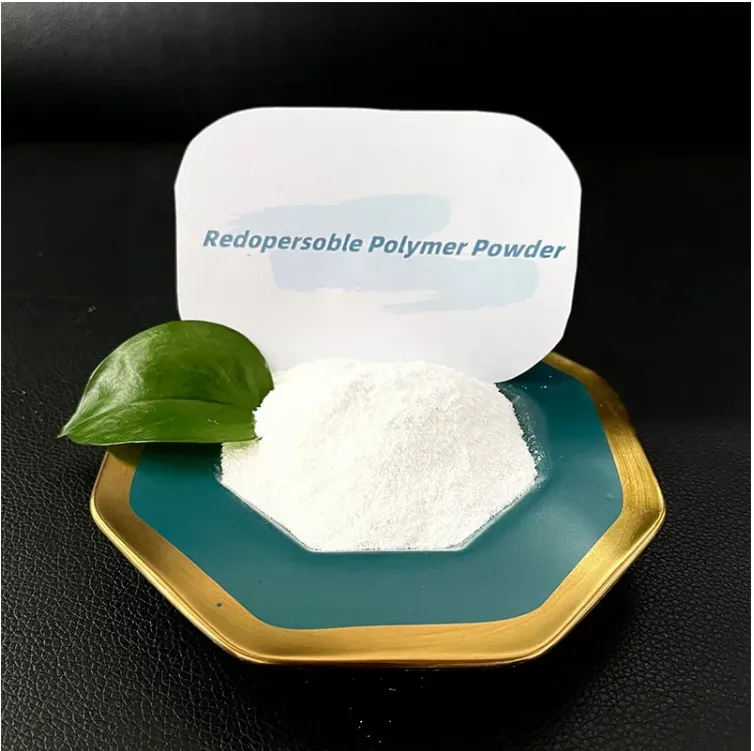 e464_hydroxypropyl_methylcellulose
Oct . 25, 2025
Large format tiles are becoming increasingly popular in both residential and commercial construction -
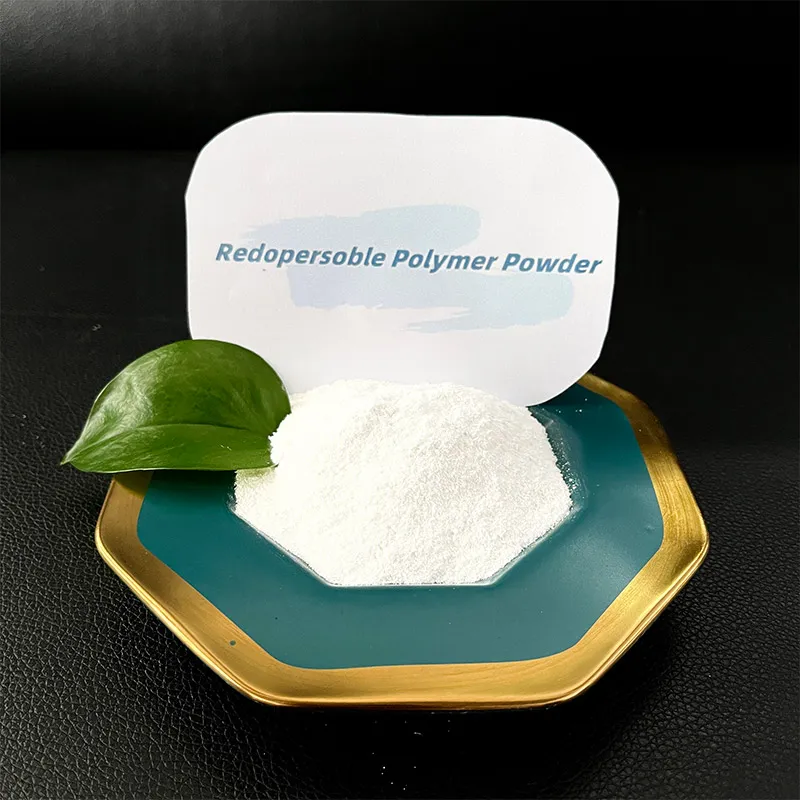 fibrillated_fiber_concrete
Oct . 25, 2025
Hydroxypropyl methylcellulose 2208 , a highly versatile compound, stands at the forefront of numerou -
 hydroxypropyl_methylcellulose_0_3
Oct . 25, 2025
Exploring the World of Fibers A Dive into Natural and Synthetic Choices In the ever-evolving landsca


